
Multi-Split Air Conditioning Systems vs Single Split
The short answer: a multi-split air conditioning system runs two or more indoor units from one outdoor unit, which saves outside space and usually installation cost once you are cooling three or more rooms. Separate single splits cost more in outdoor units but keep each room independent, so one fault only affects one room.
A single-split system pairs one outdoor condenser with one indoor unit, cooling a single room independently. A multi-split system connects one outdoor unit to two, three, four or more indoor units, each serving a different room but sharing the same outdoor compressor.
The decision usually comes up when a household or business wants air conditioning in more than one room and has to weigh up outdoor space, budget and how independently they want each room to run.
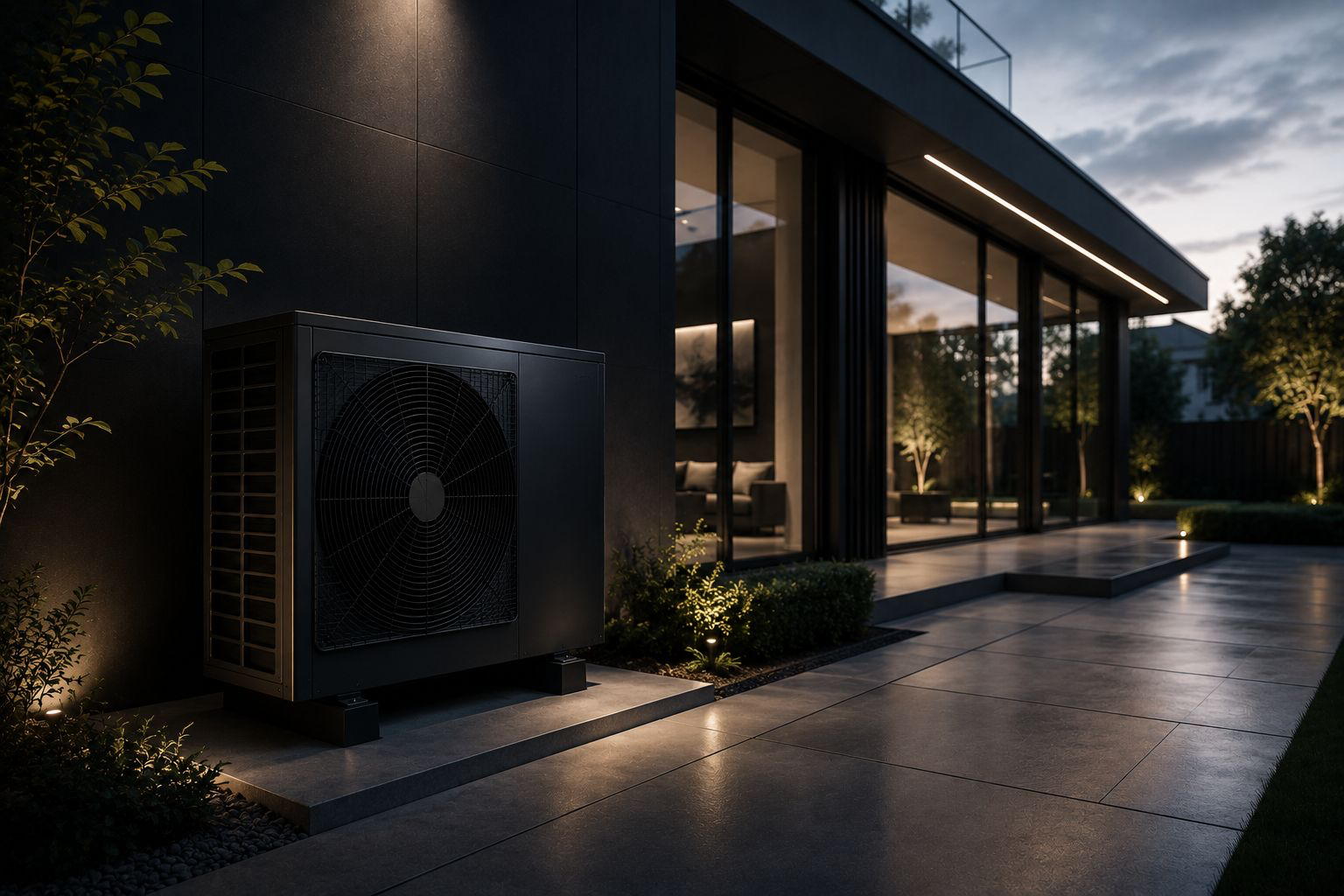
How a multi-split system works
Each indoor unit has its own pair of refrigerant pipes running back to the shared outdoor unit. The outdoor unit's inverter compressor varies its output to match however many rooms are calling for cooling or heating at that moment, and each indoor unit has its own controller and set temperature.
Outdoor units come with a fixed number of connection ports and a maximum total indoor capacity, so the system has to be planned as a whole. Indoor units can be mixed: a wall unit in a bedroom, a floor console in a loft room and a slim ducted unit in a hallway ceiling can all share one condenser.
When single-split wins
If you only need to cool one or two rooms that aren't close together, two single-split systems are often simpler and more resilient — if one outdoor unit develops a fault, only that room is affected. Single-split outdoor units are also smaller individually, which can suit properties with limited wall or ground space for a single large multi-split condenser.
Running costs per room can also be marginally better with single-split, because each compressor modulates purely for its own room's demand rather than sharing capacity across several.
When multi-split wins
Multi-split comes into its own when you need three or more rooms cooled and don't have space, planning tolerance or budget for multiple outdoor units. One condenser instead of three means less external clutter, often easier planning and neighbour considerations, and typically a lower total installation cost than fitting separate systems.
The downside is shared risk: if the single outdoor unit fails, every connected room loses cooling until it's repaired, and outdoor unit sizing has to account for realistic simultaneous use, not just the sum of every indoor unit's maximum output.
Cost and disruption compared
- Single-split systems: more pipework runs and more external units, but each install is independent and can be phased over time.
- Multi-split systems: one refrigerant pipe run per indoor unit back to a shared condenser, generally less external equipment and often lower combined labour cost.
- Multi-split installs usually take longer in one visit since all indoor units are commissioned together, whereas single-split rooms can be added one at a time.
What we usually recommend
For two rooms with genuinely separate use patterns — say a home office used all day and a bedroom used only at night — either approach works and it often comes down to outdoor space. For three or more rooms, multi-split is usually the more practical and cost-effective route, provided the outdoor unit is sized properly for realistic simultaneous demand rather than worst-case totals.
FAQs
Common questions
Can I add more indoor units to a multi-split system later?
Only if the outdoor unit has spare capacity and connection points allowed for at install. It's worth discussing future rooms upfront so the outdoor unit is sized correctly from the start.
Do all rooms on a multi-split have to run at the same temperature?
No, each indoor unit has its own remote or app control and independent temperature setting, even though they share one outdoor unit.
Is multi-split always cheaper than several single-split systems?
Usually for three or more rooms, yes, mainly through reduced outdoor equipment and shared labour, but it depends on pipe run lengths and building layout.
What happens if the outdoor unit fails on a multi-split system?
All connected indoor units lose cooling and heating until it's repaired, which is the main trade-off against the convenience of one outdoor unit.
Can different rooms have different types of indoor unit?
Yes. Most multi-split outdoor units accept a mix of wall, floor, cassette and ducted indoor units, as long as the combination stays within the outdoor unit's capacity.
Is multi-split the same as VRF?
No. VRF is a larger commercial approach that runs many indoor units on shared pipework with more advanced control. Multi-split is the smaller, simpler option used in homes and small businesses.
Keep reading
More from our knowledge base
System & comparison guides
Fixed air conditioning vs portable AC units
Portable units are a low-commitment stopgap; fixed split systems are the only realistic long-term answer for a room used regularly.
System & comparison guides
How to size air conditioning correctly (BTU basics)
Correct sizing is about matching output to real heat gain, not picking the biggest unit you can afford.
System & comparison guides
Panasonic vs LG vs Midea air conditioning compared
We fit Panasonic, LG and Midea day to day, and each has genuine strengths rather than one being straightforwardly 'best'.
Talk it through with an engineer.
No call centre — you speak to Ted directly.