
Air conditioning leak repair, done before any regas.
Losing cooling or water dripping from the unit? Call Ted to book a leak check.
Call 07940 953486 nowAir conditioning is a sealed system. It should not need topping up, so if it is short of refrigerant the gas has gone somewhere. Simply adding more without finding the leak means paying for gas that will escape again, and it does not meet the F-Gas rules either. Proper air con leak repair means finding where the refrigerant is escaping, repairing it, proving the repair holds and only then recharging the system.
Two very different problems get called a leak. A refrigerant leak is gas escaping from the pipework or coils, and shows up as poor cooling or heating. A water leak is condensate dripping from the indoor unit, usually from a drain problem. Both are covered here. If you want to read up first, our refrigerant leak signs guide and air con leaking water indoors guide explain the symptoms.
- Refrigerant leak detection and repair
- Electronic and nitrogen pressure testing
- Leak fixed before the system is recharged
- Indoor water leaks and blocked drains
- Condensate pump faults
- Wall, cassette, ducted and multi-split units
- Home and commercial systems
- Refcom F-Gas certified engineers
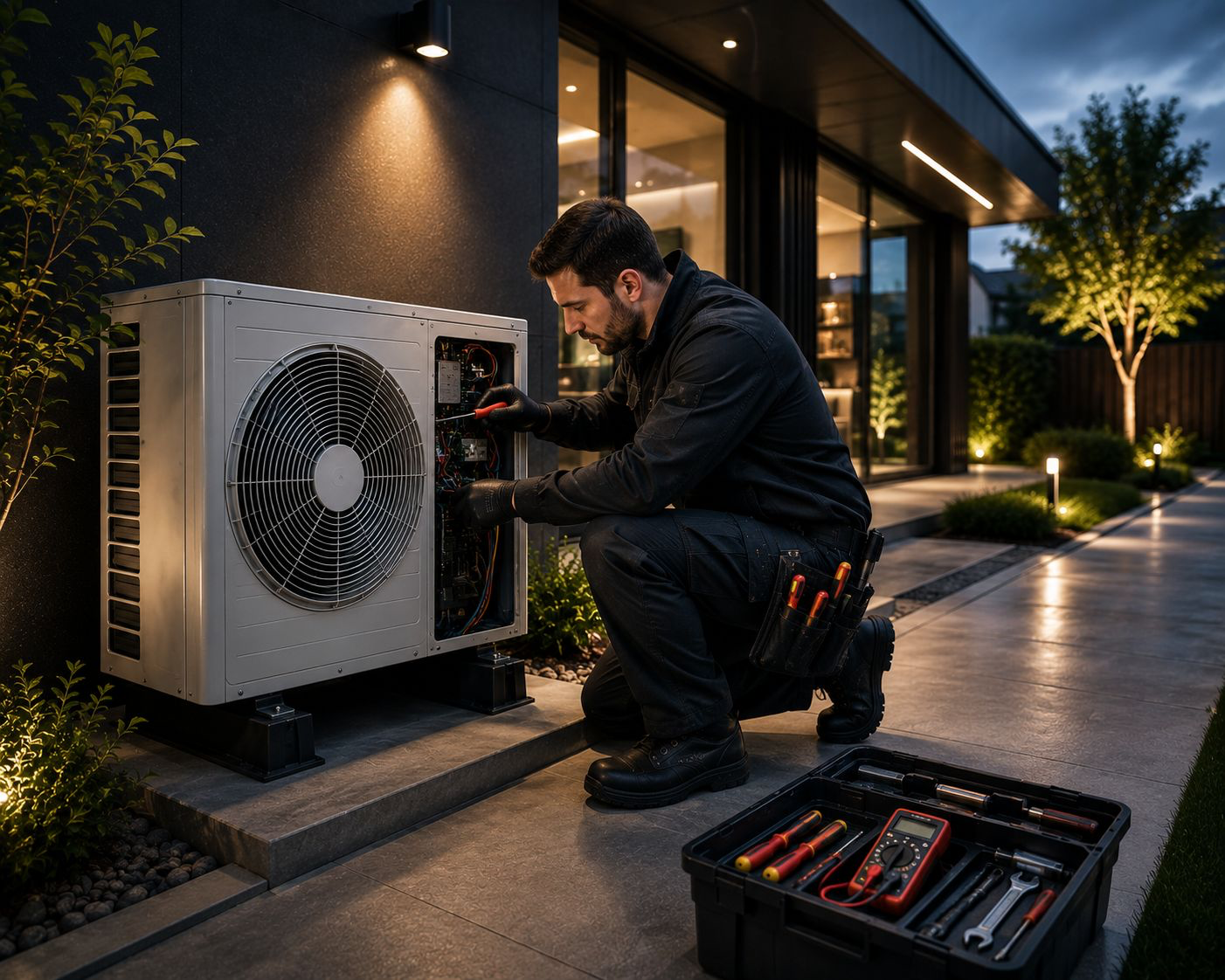
How refrigerant leak detection works
The engineer first measures system pressures and temperatures to confirm the system is short of gas. Then the hunt starts at the places leaks most often appear: flare joints behind the indoor unit, service valves on the outdoor unit, brazed joints and the coils themselves. Electronic leak detectors and bubble solution find most leaks. Where a leak is slow or hidden, the refrigerant is recovered and the pipework pressure tested with nitrogen so the drop can be traced.
Repairing the leak and proving it
Leaking flare joints are remade, valves replaced and brazed joints repaired. A corroded or damaged coil may need replacing. After the repair, the system is pressure tested and held to show it is tight, then evacuated with a vacuum pump to remove air and moisture before being charged with the correct weight of refrigerant. All refrigerant handling is carried out by Refcom F-Gas certified engineers, and the work is recorded. Our F-Gas regulations guide explains why this matters.
Water leaks from the indoor unit
Water running down a wall or dripping from a cassette usually comes from the condensate side. Drain pipes block with dust and slime, fall the wrong way after building work, or rely on a condensate pump that has failed. A coil that freezes because of low airflow or low refrigerant can also overflow the tray as it thaws. We clear and flush drains, correct falls, replace pumps and find the underlying cause.
When a leak points to replacement
Repeated leaks on an older system, a leaking coil on a unit with discontinued parts, or a system still on R22 can make repair poor value. In that case you will be told honestly, and our air conditioning replacement page explains the next step. For other faults, see air conditioning repairs.
Why choose us
A specialist you can trust on site.
Leaks found and fixed, not just topped up
Refcom F-Gas certified and insured
30+ years on the tools
Based in Hemel Hempstead
Recent work
Examples of find the leak, fix it, then regas projects.

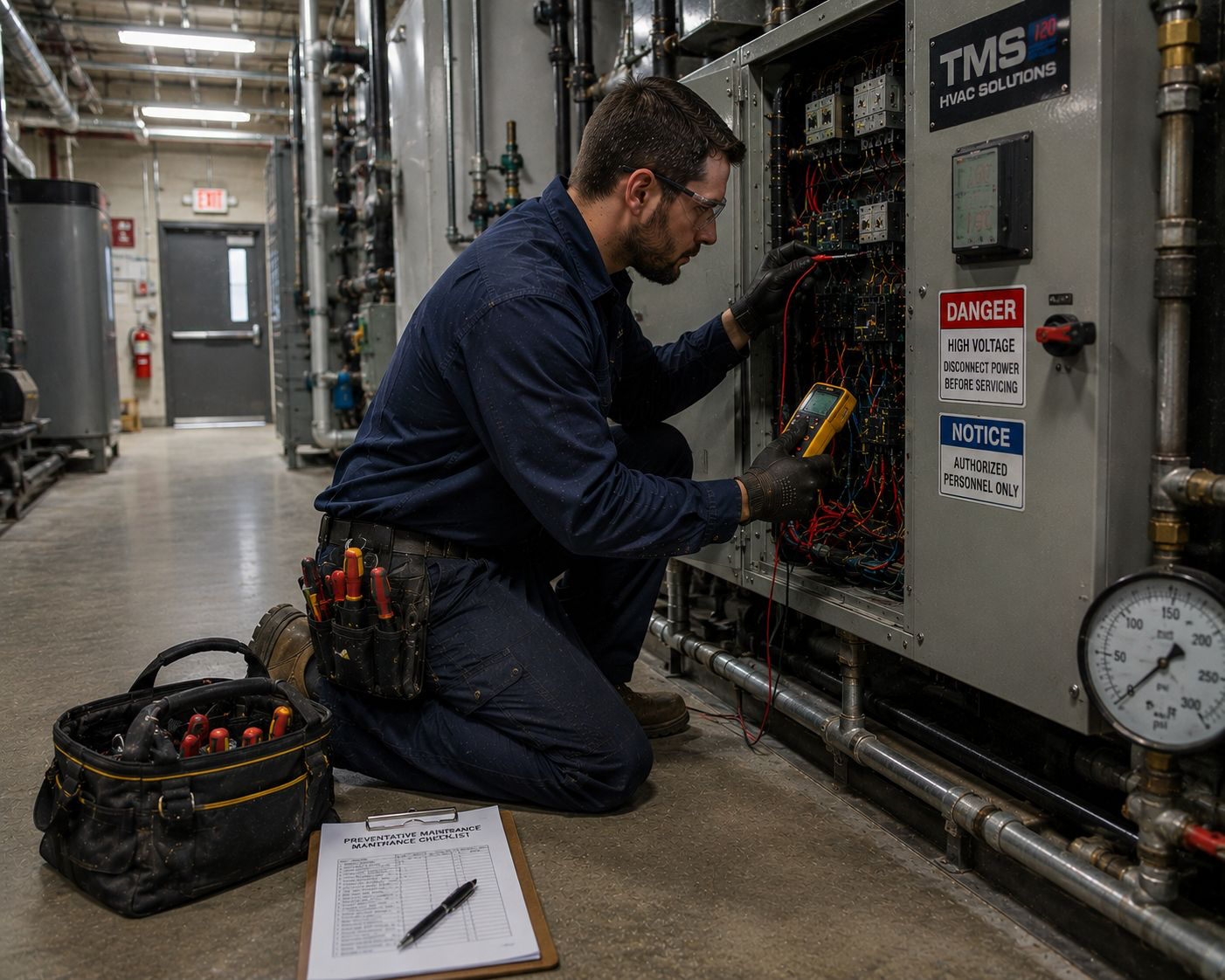

How it works
A simple, transparent process.
01
Check
Pressures and symptoms measured on site.
02
Detect
Joints, valves and coils leak tested.
03
Repair
Joint remade or part replaced.
04
Prove
Pressure tested and vacuumed.
05
Recharge
Correct refrigerant weight charged and logged.
Get a quote
Tell us what you need.
Send your details and a short description, or call 07940 953486. Standard hours are Monday to Friday, 08:00 to 17:00.
FAQs
Frequently asked questions
How do I know if my air conditioning has a refrigerant leak?
Common signs are the unit blowing less cold air than it used to, ice on the pipes or outdoor unit, a hissing sound, oily marks on joints, or a system that was regassed and lost performance again. Only pressure readings and leak testing confirm it.
What does air con leak detection involve?
An F-Gas certified engineer checks system pressures, then tests joints, valves and coils with electronic leak detection and bubble solution. Hard-to-find leaks may need the system pressure tested with nitrogen to pinpoint where gas is escaping.
How long does an air conditioning leak repair take?
Many leaks at flare joints or valves are found and repaired in a single visit. Leaks inside a coil or hidden in pipework may need a part ordering or a second visit. You are told what was found and what it needs before work goes ahead.
What affects the cost of a leak repair?
Where the leak is, how easy it is to reach, whether a joint can be remade or a part such as a coil needs replacing, and how much refrigerant the system needs once repaired. On an older system it can be better value to replace than repair.
Why is my air conditioner leaking water indoors?
Water leaks are usually caused by a blocked or poorly falling condensate drain, a failed condensate pump or a coil that has iced over. They are not a refrigerant leak, but they still need fixing to stop damage to walls and ceilings.
Service areas
Air conditioning leak repair across Hertfordshire & the South East
Local air conditioning leak repair engineers covering Hertfordshire, Buckinghamshire, Bedfordshire and the edges of London. Pick your town for area-specific information.
Helpful reading
Guides related to find the leak, fix it, then regas
Signs of a Refrigerant Leak
Refrigerant leaks rarely announce themselves clearly, and usually show up as a gradual decline in performance rather than a sudden dramatic failure.
Air Con Leaking Water Indoors
Water appearing under or around an indoor unit is almost always a drainage problem rather than a refrigerant one, and it's often an easy fix.
F-Gas Regulations Explained for Business Owners
If your business runs air conditioning or refrigeration, F-Gas rules bring real legal duties — here's what they mean in practice.
Ready to get started?
Speak directly to Ted for professional advice and a free quotation.